
Blog
Creating Meaningful Impact Through Corporate Volunteerism
Employee volunteerism has become a cornerstone of many corporate social responsibility programs. People increasingly want to work for organizations that support their communities, and companies seek meaningful ways to give back beyond financial donations.
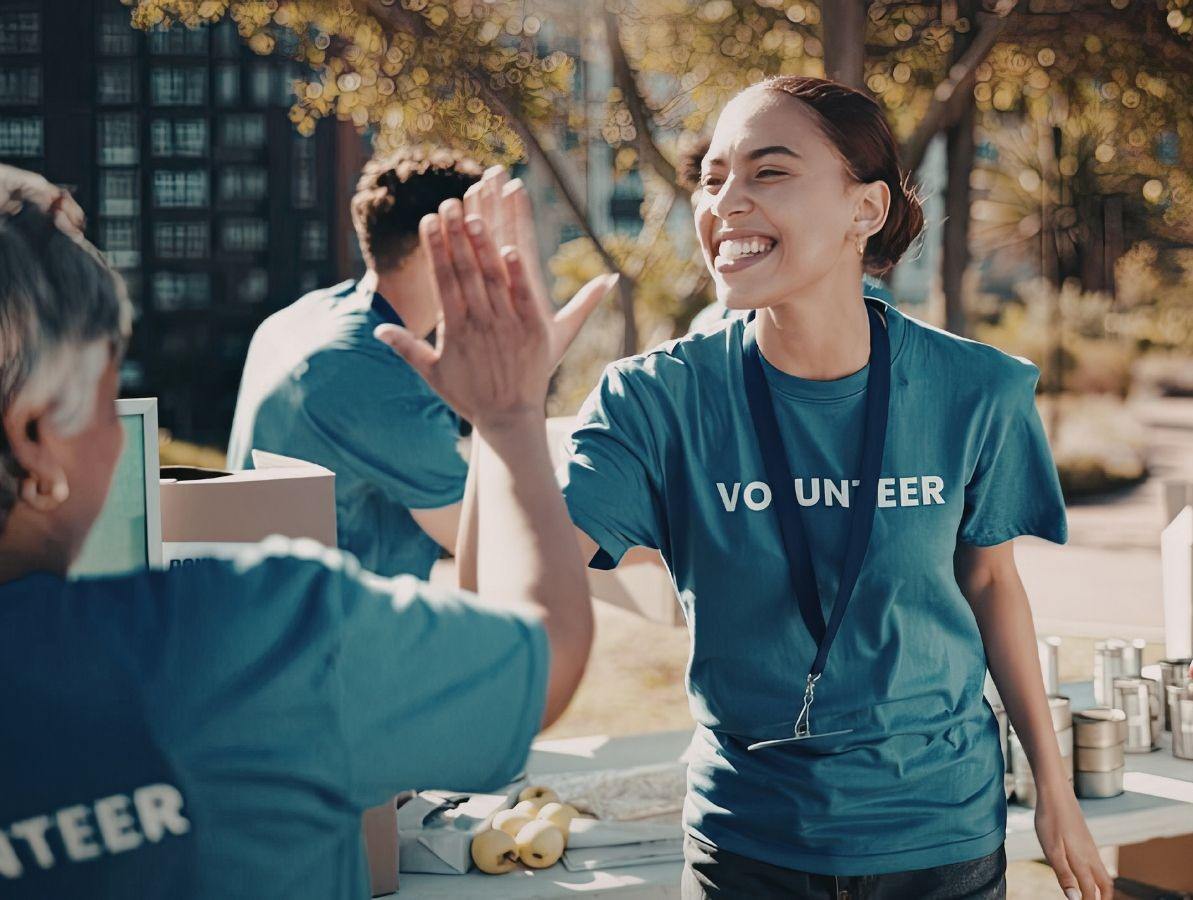
But effective volunteerism is about more than organizing a day of service, a social media post, or website banner featuring smiling faces in matching t-shirts.
Volunteer programs are most successful when they create value for social purpose organizations by aligning employee skills, expertise, and time with real community needs. When done thoughtfully, corporate volunteerism can help charities increase capacity, strengthen operations, respond to crises, and expand impact.
As companies refine their community engagement strategies, they have an opportunity to consider how volunteerism can create lasting benefits for social purpose organizations and corporate employees alike.
What social purpose organizations really need from volunteers
When people think about corporate volunteerism, they often picture large groups of employees participating in highly visible activities. While these events can provide value, nonprofit leaders consistently point to a different need: expertise.
Feedback from nonprofit leaders in our 2025 research highlighted a common challenge: many organizations place greater value on specialized expertise than on large-scale volunteer events.
The corporate side was like, well, I need volunteer opportunities for my corporation to come in and help nonprofits. I need a sea of T-shirts that I can take a picture of so that we can put [it] out for our folks [to show] what we’re doing with volunteer work. I was like ... we don't have a need for a sea of T-shirts at any of our programs. We don’t have the capacity to have 100 people come out in a T-shirt, and what would you even do if you came out? … Most nonprofits I know don’t need assembly line work. … A lot of nonprofits wouldn’t be able to provide them [a volunteer opportunity] unless they just made up something for them to do.
In reality, many nonprofit organizations operate with lean teams and limited resources. Support from skilled volunteers can help fill critical gaps that would otherwise require significant funding. Whether through mentoring, legal guidance, marketing support, financial expertise, technology assistance, or strategic planning, skilled volunteers can strengthen an organization’s ability to achieve its mission.
The value of specialized volunteer support becomes especially clear when social purpose organizations are navigating complex challenges or responding to crises.
We have a lot of specialists that volunteer in our foundation, so they do their work – like social work – with no payment ... I know when something is really difficult ... I have someone to ask and that person can help me. For a small organization like mine, it’s really important to have someone to help during a crisis.
Effective volunteerism is about more than providing time, it’s also about matching the right expertise to the right need.
“[What’s important is] the quality of the help [volunteers] are providing, because of course you can volunteer and give [your] best ... but if you are not trained, you are not providing good help for someone that really needs professional help.
The lesson for corporations is clear: impactful volunteerism starts with understanding what support social purpose organizations say they need rather than assuming what will be most helpful.
From one-time events to long-term partnerships
Another important factor in successful corporate volunteerism is consistency.
Social purpose organizations often invest significant time onboarding, training, and coordinating volunteers. While one-time volunteer activities can be helpful, long-term partnerships provide greater value.
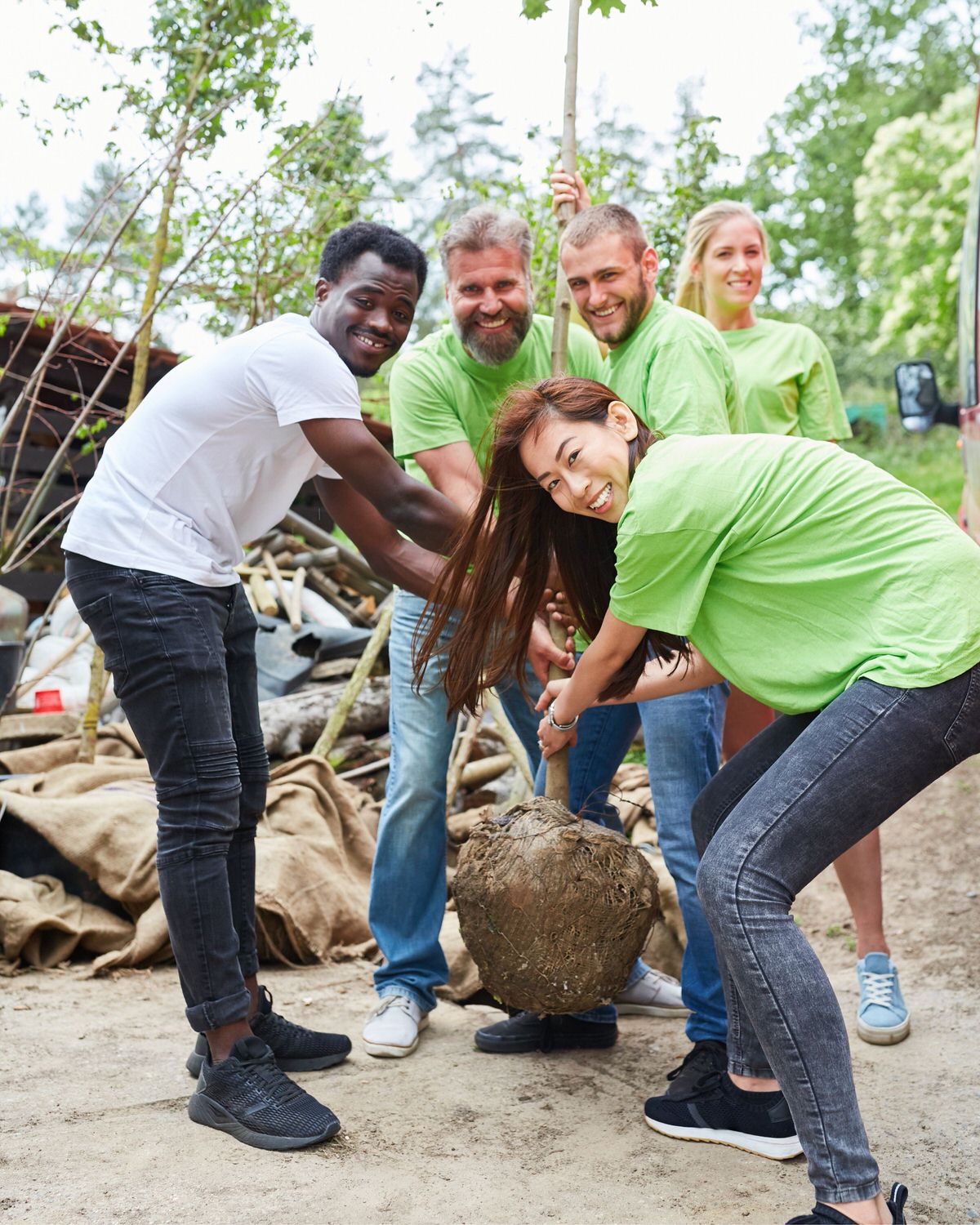
[The continuous support] really helped us focus on what is important, which is creating impact, which is teaching the kids ... [When that partnership ended] it removed the personnel that used to provide support. So right now we’re navigating through what we call ad hoc volunteers ... and then they leave. And sometimes managing them is more time-consuming than doing the work.
This kind of continuity can reduce volunteer turnover and allow social purpose organizations to focus more attention on delivering their programs.
Corporate volunteerism can take many forms beyond traditional service projects. Some organizations support career mentoring, professional coaching, skills training, board service, or workforce development initiatives.
For example, one nonprofit organization, which focuses on expanding access to innovation and entrepreneurship, works with professionals who volunteer as mentors for program participants. These mentors conduct resume reviews, provide career guidance, and introduce participants to new professional opportunities.
This shows how volunteerism does not always require employees to leave the office or spend a day at a volunteer site. Often, an employee’s professional knowledge can create meaningful value for a nonprofit and the communities it serves.
Corporate volunteerism in action
Many corporations are already demonstrating how volunteerism can complement broader community investment strategies.
Edwards Lifesciences provides one example through its longstanding commitment to both philanthropy and employee engagement. Edwards Lifesciences and Edwards Lifesciences Foundation support community initiatives through programs such as Every Heartbeat Matters (EHM), which seeks to improve access to care for underserved heart patients, while also encouraging employees to participate in volunteer activities that strengthen local communities.
Their Pro Bono Corps strengthens the capacity of EHM partners to impact underserved patients. This program brings Edwards Lifesciences employees and partners to the same table, in a way that provides unique employee skills to benefit patients around the world. Employees provide clinical education and awareness on structural heart disease detection and treatment to healthcare providers and communities and assist in structural heart disease treatment programs, including medical care delivery, case management, and wrap‑around services, among other volunteer activities.
By combining financial support with employee involvement, organizations amplify the impact of their community investments. Volunteerism allows employees to contribute their skills directly while helping companies build deeper relationships with nonprofit partners and the communities they serve.
The result is a more holistic approach to corporate citizenship, one that recognizes that financial resources, professional expertise, and employee time all play a critical role in creating positive social impact.
Moving from volunteerism to impact
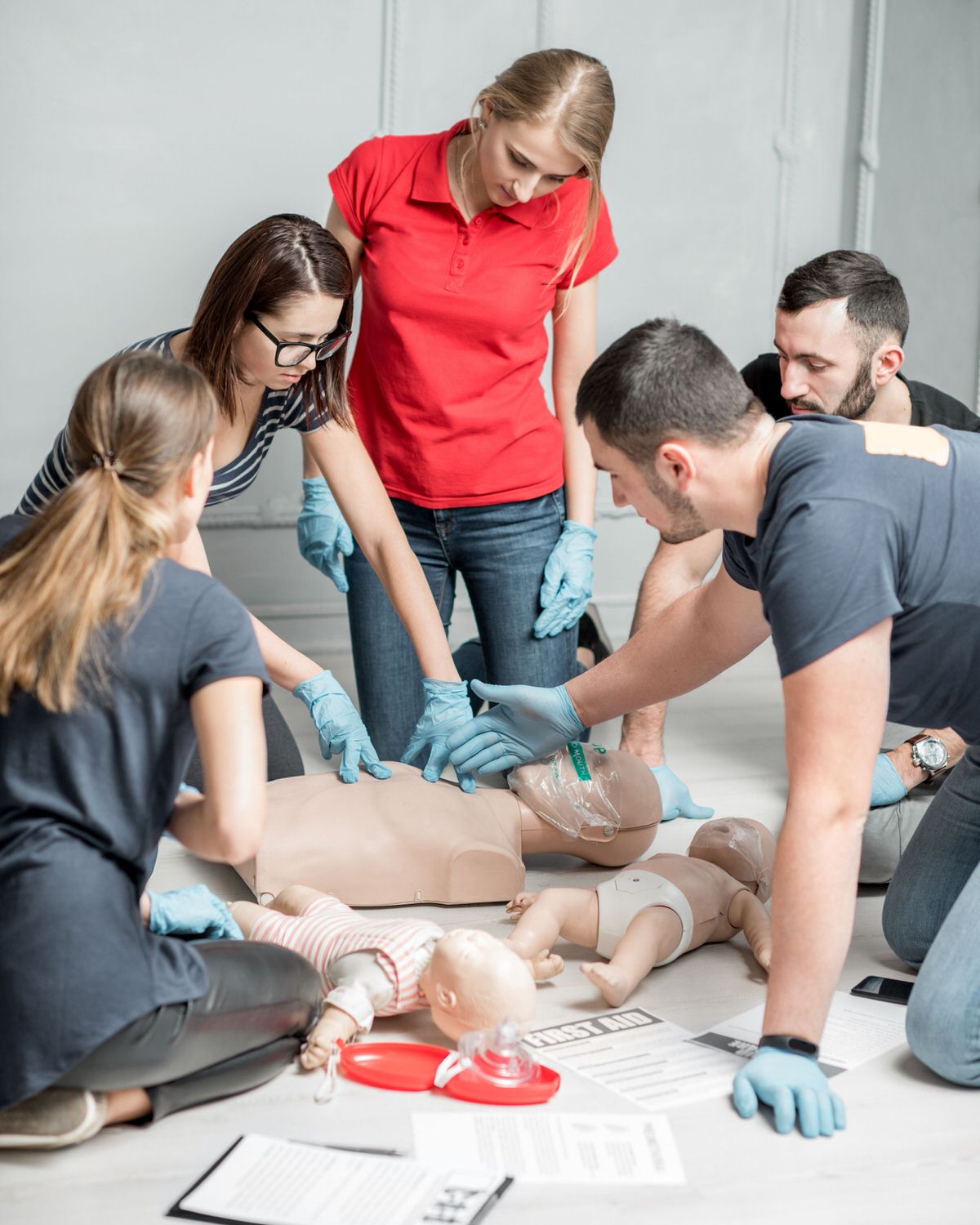
Corporate volunteerism remains one of the most powerful ways companies can engage employees and support communities. However, the greatest impact often comes not from the size or visibility of a volunteer event, but from how closely volunteer efforts align with nonprofit needs.
When companies take the time to understand the challenges social purpose organizations face, provide skilled volunteers, and build sustained partnerships, volunteer programs become more than employee engagement activities and popular social media posts. Instead, they become strategic investments in community capacity and long-term social impact.
As organizations continue to evolve their corporate social responsibility strategies, the question is no longer whether volunteerism matters. It is how volunteerism can be designed to create the greatest possible impact for everyone involved.